What Is the Proper Way to Write Inshallah, Insha’Allah, or In Shaa Allah?
The phrase In Shaa Allah (إن شاء الله) is one of the most commonly used expressions in the Muslim world. It translates to if Allah wills or God willing and is deeply rooted in both the Qur’an and Islamic tradition. Despite its importance, many people remain unsure about the proper way to write it in English. Should it be Inshallah, Insha’Allah, or In Shaa Allah?
In this article, we’ll explore the origins of this phrase, its meaning, and the different ways it is transliterated into English. By the end, you’ll have a clear understanding of which form is most accurate and why.
The Meaning of In Shaa Allah
The phrase In Shaa Allah comes directly from the Qur’an, specifically in Surah Al-Kahf (18:23–24), where Allah instructs believers not to say, “I will do this tomorrow,” without adding, “If Allah wills.”
-
“In” (إن) means “if.”
-
“Shaa” (شاء) means “wills” or “decrees.”
-
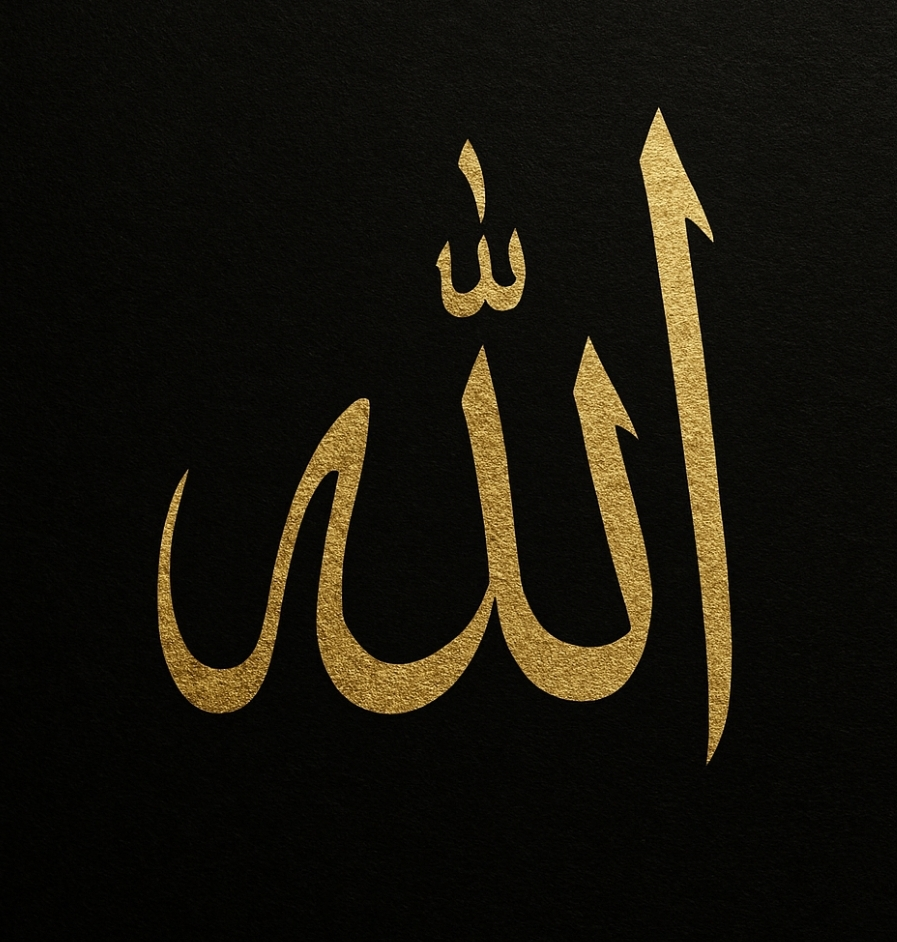
“Allah” (الله) is the name of God in Arabic.
When combined, In Shaa Allah literally means if Allah wills it. It reflects humility and the recognition that all events occur only by Allah’s will.
Why So Many Spellings?
When Muslims who do not use Arabic as their first language write the phrase in English, they rely on transliteration. Transliteration is the process of converting words from one language into the alphabet of another. Since Arabic letters and sounds do not always have direct equivalents in English, people approximate the sounds as best they can.
This is why you’ll find variations such as:
-
Inshallah
-
Insha’Allah
-
In Shaa Allah
-
Insha Allah
The lack of standardized rules for Arabic-to-English transliteration explains the variety of spellings. Each writer tries to represent the pronunciation in a way that makes sense to them or their audience.
The Common Misconception: Inshallah Means “Create Allah”?
A claim often circulates online that writing Inshallah as one word is incorrect because it supposedly means create Allah. This idea has caused confusion and worry among Muslims who want to avoid disrespecting Allah’s name.
However, scholars and Arabic linguists clarify that this claim is unfounded. Here’s why:
-
Context matters: Everyone who uses the phrase understands it to mean if Allah wills. No one interprets it as create Allah.
-
Grammar rules: The Arabic verb for create is anshi’ (أنشئ), not insha. The two are completely different in form, pronunciation, and meaning.
-
Transliteration is not Arabic: Writing Inshallah in English letters does not carry the same grammatical structure as Arabic words. It is simply a representation of pronunciation.
So, writing Inshallah does not mean create Allah. The misunderstanding stems from overanalyzing transliteration without considering Arabic grammar.
Which Form Is Most Accurate?
Among the many forms, the most accurate transliteration is In Shaa Allah. Here’s why:
-
It separates the three Arabic words (In, Shaa, Allah), keeping their meanings distinct.
-
The double “a” in Shaa better reflects the elongated vowel in the Arabic word (شاء).
-
It avoids confusion with unrelated words or misinterpretations.
That said, writing Insha’Allah or Inshallah is not wrong. These forms are widely recognized and understood by Muslims around the world. The essential point is the intention behind the phrase, not the exact English spelling.
Historical Perspective on Writing Styles
It’s important to remember that writing conventions have changed throughout history. Even in Arabic manuscripts of the Qur’an and Hadith, scribes adapted writing styles according to the norms of their time and region.
For example:
-
Early Qur’anic manuscripts often lacked diacritical marks (dots and vowel symbols).
-
Over time, scholars introduced these markings to make recitation easier and more accurate.
If such flexibility existed within the Arabic language itself, then minor variations in English transliteration should not be a cause for division. The focus should remain on the meaning and spirit of the phrase.
The Importance of Using In Shaa Allah Correctly
While the different spellings are permissible, Muslims are encouraged to strive for accuracy and clarity whenever possible. Writing In Shaa Allah helps preserve the original structure of the Arabic and reduces potential misunderstandings.
More importantly, saying or writing In Shaa Allah should not become a casual habit stripped of its meaning. It serves as a reminder that:
-
Our plans depend entirely on Allah’s will.
-
We are not in full control of the future.
-
Faith and humility should guide our speech and actions.
Practical Guidance for Everyday Use
Here are some simple tips for writing and using In Shaa Allah in English contexts:
-
Preferred spelling: Use In Shaa Allah in formal writing, teaching, or religious contexts.
-
Alternative spellings: Inshallah or Insha’Allah are acceptable in casual conversations, text messages, or social media.
-
Clarity first: Ensure that your audience understands what you mean. Avoid abbreviations like “IA,” which may confuse non-Muslims or new learners.
By keeping the meaning clear and intact, we uphold both the linguistic and spiritual value of the phrase.
FAQs: Proper Way to Write Inshallah, Insha’Allah, or In Shaa Allah
1. What does In Shaa Allah mean?
In Shaa Allah (إن شاء الله) literally translates to if Allah wills. It is an expression of humility, reminding us that our plans only come to pass if Allah permits them.
2. Is it wrong to write Inshallah as one word?
No, writing Inshallah as one word is not wrong. Although some people claim it could mean “create Allah,” this is a misconception. In Arabic grammar, the word for “create” is completely different, and no Muslim would misunderstand Inshallah in that way.
3. Which spelling is most accurate: Inshallah, Insha’Allah, or In Shaa Allah?
The most accurate transliteration is In Shaa Allah because it separates the three Arabic words (In, Shaa, Allah) and best reflects the original pronunciation. However, other versions like Inshallah and Insha’Allah are also widely accepted and understood.
4. Why are there so many different spellings of In Shaa Allah?
Different spellings exist because of transliteration. Arabic sounds do not always have exact English equivalents, so writers approximate them in different ways. Since there’s no universal rule for transliteration, multiple spellings emerged and became common.
5. When should I use the spelling In Shaa Allah instead of Inshallah?
Use In Shaa Allah in formal writing, Islamic studies, or religious contexts to maintain accuracy and clarity. In everyday conversations, social media, or text messages, Inshallah or Insha’Allah are perfectly acceptable since they are widely recognized.
Conclusion
So, what is the proper way to write Inshallah, Insha’Allah, or In Shaa Allah?
The most precise transliteration is In Shaa Allah, as it maintains the separation of words and reflects the original Arabic pronunciation. However, other forms like Inshallah and Insha’Allah are also acceptable, widely used, and understood.
What truly matters is the intention and understanding behind the phrase. Whether you write it in one word or three, the essence remains the same: acknowledging that all things happen only by Allah’s will.
As Muslims, let us use this beautiful expression mindfully, remembering its Qur’anic roots and the humility it teaches us in our daily lives.