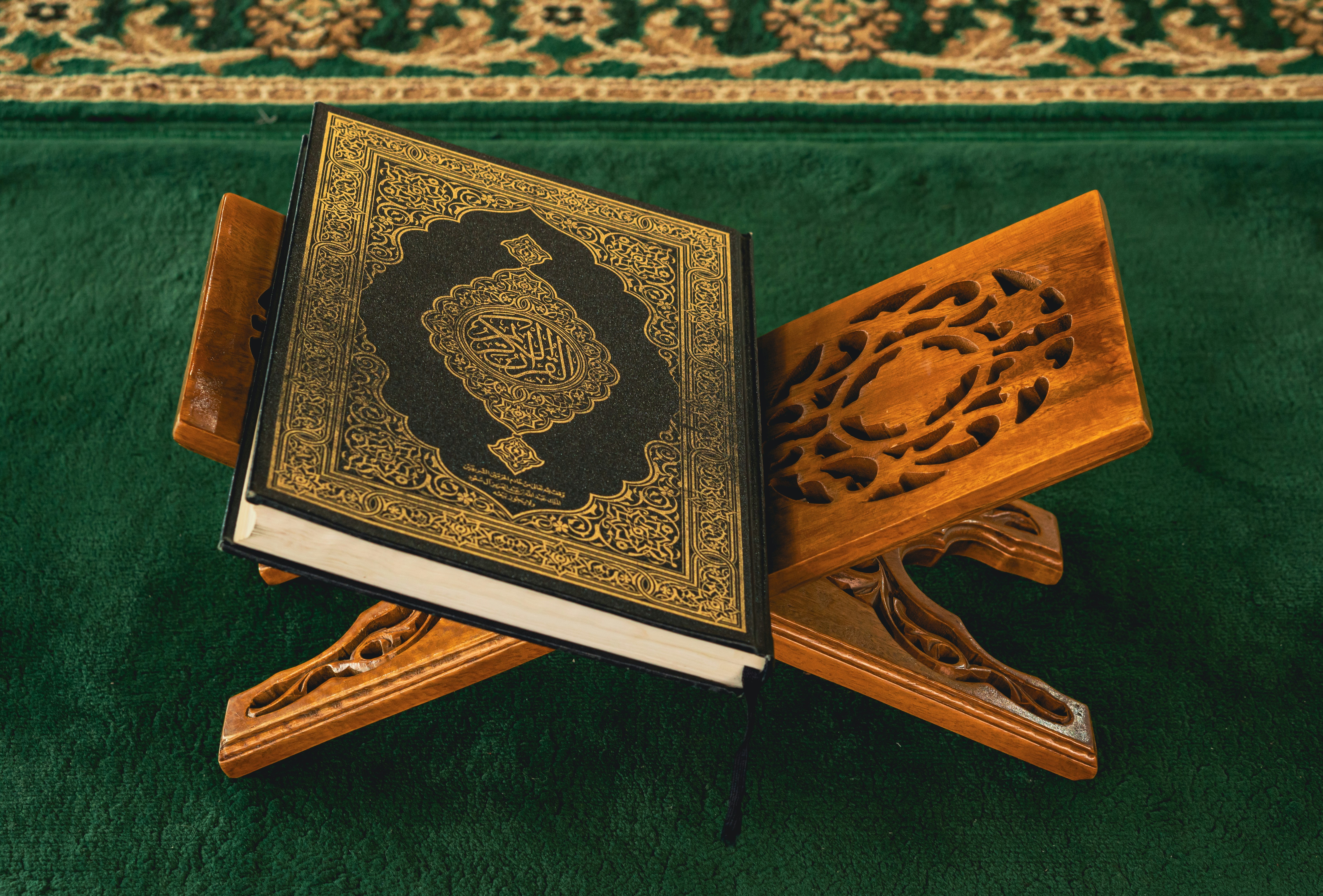
Names of Allah and Their Impact on Daily Life
The Names of Allah (Asma ul Husna), meaning "The Beautiful Names of Allah," are a profound source of spiritual guidance, comfort, and strength for Muslims. Mentioned in both the Qur’an and Hadith, these names reflect the divine attributes of Allah, each carrying deep meaning that impacts a believer’s heart, soul, and daily life.
Muslims are encouraged to know, reflect, and call upon Allah by His Names in their prayers and supplications. The Prophet Muhammad (peace be upon him) said: “Allah has ninety-nine names, one hundred less one; and he who memorized them all by heart will enter Paradise.” (Sahih al-Bukhari, Sahih Muslim)
The Importance of Allah’s Names in Islam
Allah’s Names are not simply labels; they reveal His divine qualities and help believers understand their Creator better. The Qur’an emphasizes calling upon Allah by His Names:
-
“And to Allah belong the best names, so invoke Him by them.” (Surah Al-A’raf, 7:180)
Reflecting on the Names of Allah strengthens faith, enhances spiritual connection, and guides behavior. For instance, recognizing Allah as Ar-Rahman (The Most Merciful) inspires mercy toward others, while knowing Him as Al-Adl (The Just) reminds believers to act fairly.
Understanding the Asma ul Husna (Beautiful Names of Allah)
The Asma ul Husna cover various dimensions of Allah’s attributes:
-
Names of Mercy and Compassion – Ar-Rahman (The Most Merciful), Ar-Raheem (The Most Compassionate).
-
Names of Knowledge and Wisdom – Al-‘Aleem (The All-Knowing), Al-Hakeem (The All-Wise).
-
Names of Power and Majesty – Al-Qawiyy (The All-Strong), Al-Malik (The King).
-
Names of Forgiveness and Guidance – Al-Ghafoor (The Forgiving), Al-Hadi (The Guide).
-
Names of Justice and Protection – Al-Adl (The Just), Al-Hafiz (The Protector).
Each name impacts a Muslim’s thoughts, actions, and relationship with Allah.
Impact of Allah’s Names on Daily Life
1. Strengthening Faith and Tawakkul (Reliance on Allah)
Knowing that Allah is Al-Wakeel (The Trustee) builds trust and reliance on Him during difficulties. A believer learns to surrender worries, believing that Allah controls all affairs.
2. Developing Compassion and Mercy
By remembering Allah as Ar-Rahman and Ar-Raheem, Muslims are inspired to show kindness, forgiveness, and empathy toward family, friends, and even strangers.
3. Inspiring Justice and Fairness
Reflecting on Al-Adl (The Just) helps Muslims maintain fairness in business, family life, and community interactions, avoiding oppression and dishonesty.
4. Encouraging Forgiveness
Calling upon Allah as Al-Ghafoor (The Forgiving) and At-Tawwab (The Accepter of Repentance) motivates believers to seek forgiveness for their sins while also forgiving others.
5. Providing Peace and Protection
Believing in Al-Hafiz (The Protector) and As-Salam (The Source of Peace) brings inner tranquility and reduces fear during times of uncertainty or hardship.
6. Motivating Continuous Learning
Knowing Allah as Al-‘Aleem (The All-Knowing) encourages Muslims to seek knowledge, reflect on creation, and live with humility, realizing human limitations compared to divine wisdom.
Practical Ways to Use Allah’s Names in Daily Life
-
In Prayer (Dua and Salah)
Muslims are encouraged to call upon Allah by His Names when making dua. For example: asking for forgiveness by calling upon Al-Ghafoor, or seeking guidance by calling upon Al-Hadi. -
For Spiritual Reflection (Tafakkur)
Reflecting on Allah’s Names during Qur’an recitation or daily life strengthens awareness of His presence. -
In Personal Conduct
A believer should embody values inspired by Allah’s Names—such as mercy, justice, patience, and forgiveness—within family, community, and workplace settings. -
Teaching Children
Introducing children to the Asma ul Husna builds their love and understanding of Allah from an early age, helping them adopt Islamic manners and values. -
For Healing and Peace
Reciting Allah’s Names, such as Ash-Shafi (The Healer), is a common practice among Muslims seeking spiritual healing and relief from distress.
Benefits of Knowing and Applying Allah’s Names
-
Strengthened Relationship with Allah – Builds love, reliance, and closeness to the Creator.
-
Moral Guidance – Encourages believers to adopt mercy, justice, and patience.
-
Inner Peace – Reduces anxiety and strengthens reliance on divine wisdom.
-
Spiritual Protection – Brings a sense of safety and contentment in times of trial.
-
Preparation for the Hereafter – Knowing and living by Allah’s Names leads to greater awareness of accountability.
Misconceptions About Allah’s Names
Some people misunderstand the Asma ul Husna, thinking they are only for memorization. In reality, the purpose is not just to learn them but to live by them. Each Name is meant to influence behavior, strengthen faith, and remind believers of Allah’s constant presence in their lives.
Conclusion
The Names of Allah (Asma ul Husna) are more than just titles; they are windows into divine attributes that guide Muslims in faith, worship, and daily conduct. By calling upon Allah through His Names, reflecting on their meanings, and applying them in life, believers strengthen their relationship with Allah and find peace, justice, and compassion in their journey.
For every Muslim, the impact of Allah’s Names on daily life is transformative—bringing healing, hope, and guidance in this world and preparing the soul for the Hereafter.
FAQs on Names of Allah and Their Impact on Daily Life
1. What are the Names of Allah (Asma ul Husna)?
The Asma ul Husna are the 99 Beautiful Names of Allah mentioned in the Qur’an and Hadith. Each Name reflects a unique divine attribute, helping believers understand Allah’s qualities and draw closer to Him.
2. Why are Allah’s Names important for Muslims?
Allah’s Names strengthen faith, worship, and moral conduct. They guide believers to practice mercy, justice, forgiveness, and reliance on Allah, while also deepening love and awareness of the Creator.
3. How do the Names of Allah impact daily life?
The Names influence everyday actions and attitudes:
-
Ar-Rahman inspires compassion.
-
Al-Adl reminds Muslims to be just.
-
Al-Hafiz brings a sense of protection.
-
Al-Ghafoor motivates seeking forgiveness and forgiving others.
4. What does the Hadith about 99 Names of Allah mean?
The Prophet Muhammad (PBUH) said: “Allah has 99 Names, and whoever memorizes them will enter Paradise.” (Bukhari, Muslim). This Hadith emphasizes learning, reflecting, and living by Allah’s Names, not just memorizing them.
5. Can Allah’s Names be used in supplications (duas)?
Yes. Muslims are encouraged to call upon Allah using His Names. For example, asking for healing by saying Ya Shafi (O Healer), or seeking forgiveness with Ya Ghafoor (O Forgiving One).
6. How can parents teach children the Names of Allah?
Parents can teach through:
-
Reciting the Names during daily duas.
-
Using songs or rhymes designed for children.
-
Explaining meanings with simple examples.
-
Encouraging kids to apply values like kindness and honesty inspired by Allah’s Names.
7. Are the Names of Allah only for spiritual use, or do they affect practical life?
Allah’s Names guide both spiritual growth and practical behavior. For instance, Al-Hakeem (The Wise) encourages wise decision-making, while Ar-Razzaq (The Provider) inspires gratitude and trust in Allah for sustenance.
8. How can reciting Allah’s Names bring peace and healing?
Reciting and reflecting on Allah’s Names strengthens the heart, reduces anxiety, and provides comfort in hardship. For example, remembering As-Salam (The Source of Peace) brings tranquility, while Al-Wakeel (The Trustee) relieves worry through trust in Allah’s plan.