The Virtues and Significance of the Month of Sha'ban in Islam
The month of Sha'ban holds a unique and deeply spiritual position among the Islamic months. Nestled between Rajab and Ramadan, it is often overlooked, yet filled with profound virtues, historical relevance, and Prophetic practices. Understanding the virtues of Sha'ban, its place in the Islamic calendar, and how it prepares believers for Ramadan is essential for any Muslim seeking closeness to Allah through worship, fasting, and reflection.
What Is the Month of Sha'ban?
Meaning and Origin of Sha'ban
The name Sha'ban comes from the Arabic root “Tasha‘aba,” which means "to disperse." Historically, Arabs would scatter in search of water during this month, or it could refer to their dispersal for raids and expeditions. Another explanation is that Sha'ban "branches out" as it lies between Rajab, one of the Sacred Months, and Ramadan, the holy month of fasting.
Plural forms include Sha'banat and Sha’abin, used in classical texts.
Prophet Muhammad’s Practice: Fasting in Sha'ban
The fasting in Sha'ban stands out as one of the most emphasized voluntary fasts by Prophet Muhammad (peace be upon him). His consistent dedication to Sunnah fasting during this month is well-documented in the Hadith literature.
‘A’ishah (may Allah be pleased with her) reported: “I never saw the Messenger of Allah fasting in any month more than he did in Sha'ban.”
— Al-Bukhari (1833), Muslim (1956)
Some reports even state that he fasted the entire month, though other narrations clarify it was most of the month, not all of it — which is supported by Ibn al-Mubarak, Ibn Hajar, and others. These scholars stress that the Prophet Muhammad’s fasting in Sha'ban was significant, but distinct from Ramadan, which is the only month in which fasting is obligatory.
Why Did the Prophet Focus on Sha'ban?
Scholars’ Views on Fasting in Sha'ban
Several reasons are presented by scholars like Ibn Rajab, Ibn al-Mubarak, and others regarding the Prophet’s emphasis on fasting in Sha'ban:
-
Missed fasts: It may have been a time to make up missed fasts from previous months.
-
Acts of worship during heedlessness: Sha'ban is often neglected because it's overshadowed by Rajab and Ramadan. This makes worship more rewarding, as stated in the Hadith of Usamah ibn Zayd:
“That is a month to which people do not pay attention, between Rajab and Ramadan, and it is a month in which deeds are lifted to the Lord of the Worlds. I like for my deeds to be lifted while I am fasting.”
— An-Nasa’i, Sahih al-Targhib wa’l-Tarhib -
Spiritual preparation: Fasting before Ramadan serves as both a physical and spiritual preparation for Ramadan.
Benefits of Worship in Sha'ban
Concealed Worship and Increased Reward
One of the hidden virtues of the Sha'ban month in Islam is its opportunity for private worship. The Salaf (early Muslims) often concealed their fasts during this time to maintain sincerity. It was said of one man that he fasted secretly for years, giving away food while pretending to have eaten.
Ibn Mas’ud advised: “When you fast, apply perfume to conceal it.”
Performing dhikr, Qiyam al-Layl, and reciting the Quran during times when others are negligent carries greater spiritual weight. This is aligned with the Hadith:
“Worship during times of trial is like emigration to me.”
— Muslim (2984)
Sha'ban and the Quran
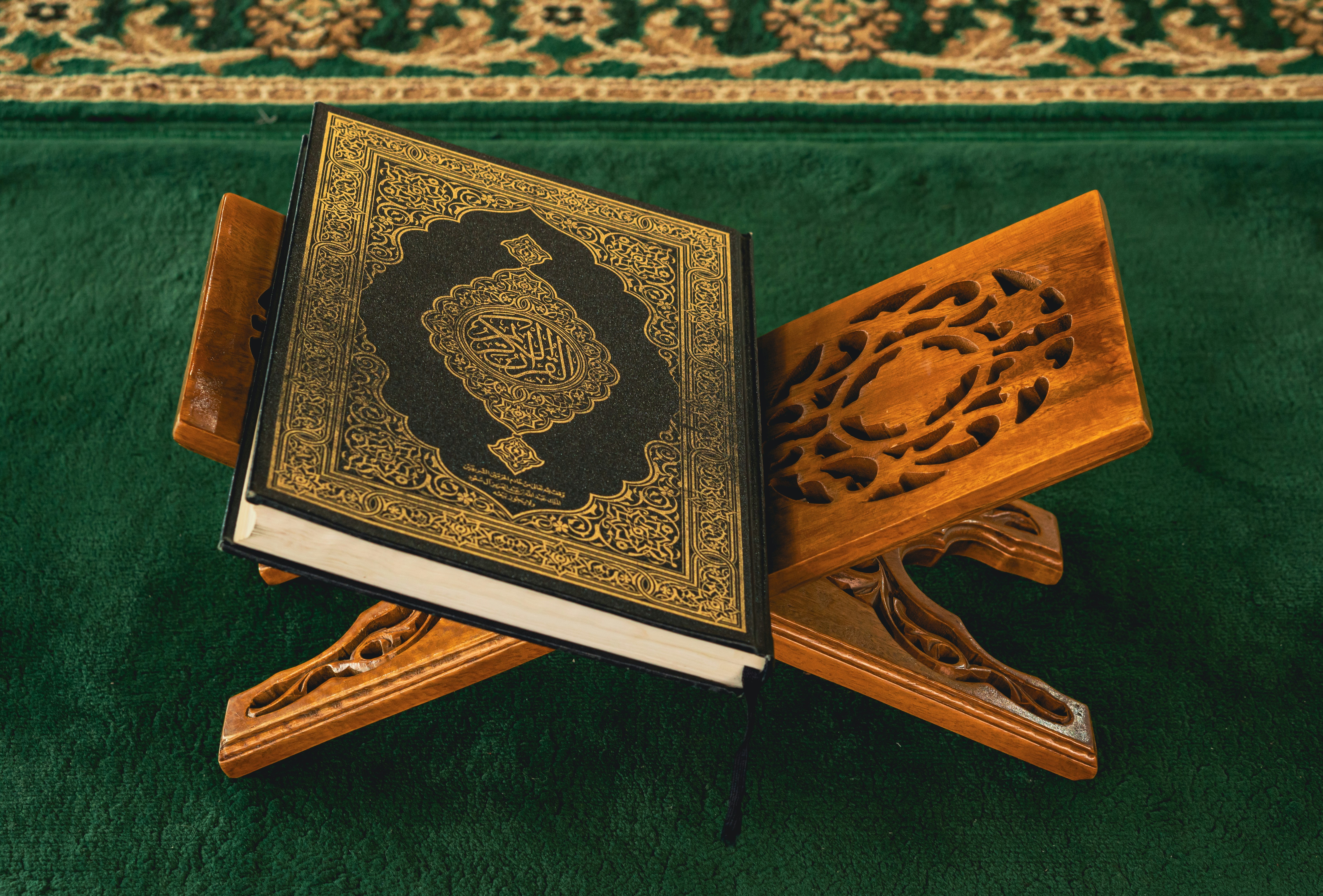
The month of Sha'ban was historically recognized as the month of Quran reciters. Great scholars like Salamah ibn Suhayl and Amr ibn Qays al-Mala’i would cease business to dedicate time to reading the Quran, anticipating Ramadan’s arrival.
Making Up Missed Ramadan Fasts in Sha'ban
It is widely recommended for those who missed obligatory fasts from Ramadan due to menstruation, travel, or illness to make them up in Sha'ban. This was the practice of A’ishah, who used Sha'ban for making up missed fasts due to her duties with the Prophet Muhammad (peace be upon him).
According to scholars like Malik, Ash-Shafi’i, and Ahmad, delaying obligatory fasts until after the next Ramadan is not permissible unless excused. Otherwise, it requires both makeup and feeding a poor person per day missed.
Rulings on Fasting at the End of Sha'ban
Understanding the “Sirar” of Sha'ban
The Sirar of Sha'ban refers to its final days when the moon becomes hidden. Al-Bukhari and Muslim report a Hadith where the Prophet Muhammad (peace be upon him) advised fasting during this time — but how does this align with the Hadith that prohibits fasting just before Ramadan?
“Do not pre-empt Ramadan by fasting one or two days before it...”
— Abu Hurayrah, Al-Bukhari (1983), Muslim (1082)
Scholars' Interpretation
Scholars reconciled this by categorizing three scenarios:
-
Fasting out of caution for Ramadan’s start: Forbidden
-
Making up missed fasts, vows, or Kaffarah: Permissible
-
Voluntary fasting with no habitual basis: Disliked (Makruh), except if one habitually fasts that day
Malik allowed it if it coincided with a routine fast. Scholars like Ash-Shafi’i and Ahmad were more cautious, favoring clear separation from Ramadan.
Why Fasting Right Before Ramadan Is Disliked
There are several reasons for the dislike (Karaha) of fasting immediately before Ramadan:
-
Preventing confusion: Ensures that no extra days are wrongly added to Ramadan.
-
Maintaining boundaries between obligatory and voluntary fasts, as prescribed by Islamic fasting rules.
-
Avoiding innovation in religion: Resembling practices of People of the Book, who added days to rituals based on personal desire.
Conclusion: Embracing the Virtues of Sha'ban
The month of Sha'ban is a precious opportunity for spiritual growth, increased voluntary worship, and a warm-up for Ramadan. It embodies a time when deeds are lifted, when sincere acts often go unnoticed by others — a quality especially valued in Islam.
To fully benefit, Muslims should aim to:
-
Increase fasting in Sha'ban
-
Make up missed obligatory fasts
-
Enhance Quran recitation and dhikr
-
Use this month to refine their Ramadan preparation guide
In a time of widespread distraction, seizing the virtues of Sha'ban can set the tone for a spiritually fulfilling year.
References
-
Lataif al-Ma’arif by Ibn Rajab al-Hanbali
-
Al-Ilman bi shayin min Ahkam al-Siyam by Abd al-Aziz al-Rajihi
-
Authentic narrations from Al-Bukhari, Muslim, Abu Dawud, and An-Nasa’i
Frequently Asked Questions
1. Why is Sha'ban important in Islam?
It’s a spiritually significant month when deeds are lifted to Allah, and the Prophet fasted in it more than any other month outside Ramadan.
2. Is fasting in Sha'ban Sunnah?
Yes, fasting in Sha'ban is Sunnah and highly encouraged, especially as preparation for Ramadan.
3. Can I make up missed Ramadan fasts in Sha'ban?
Yes, it’s the best time to make up missed fasts before the next Ramadan begins.
4. Is it disliked to fast right before Ramadan?
Yes, unless it's a regular fasting habit or you're making up a missed fast, fasting 1–2 days before Ramadan is Makruh (disliked).
5. What acts of worship are recommended in Sha'ban?
Fasting, Quran recitation, dhikr, Qiyam al-Layl, and voluntary prayers are all recommended.